
Scheduled pumping, scraping and cleaning of grease traps and interceptors, booked around your service hours. Every visit ends with a written record you can keep for inspections, landlords and your own maintenance log.
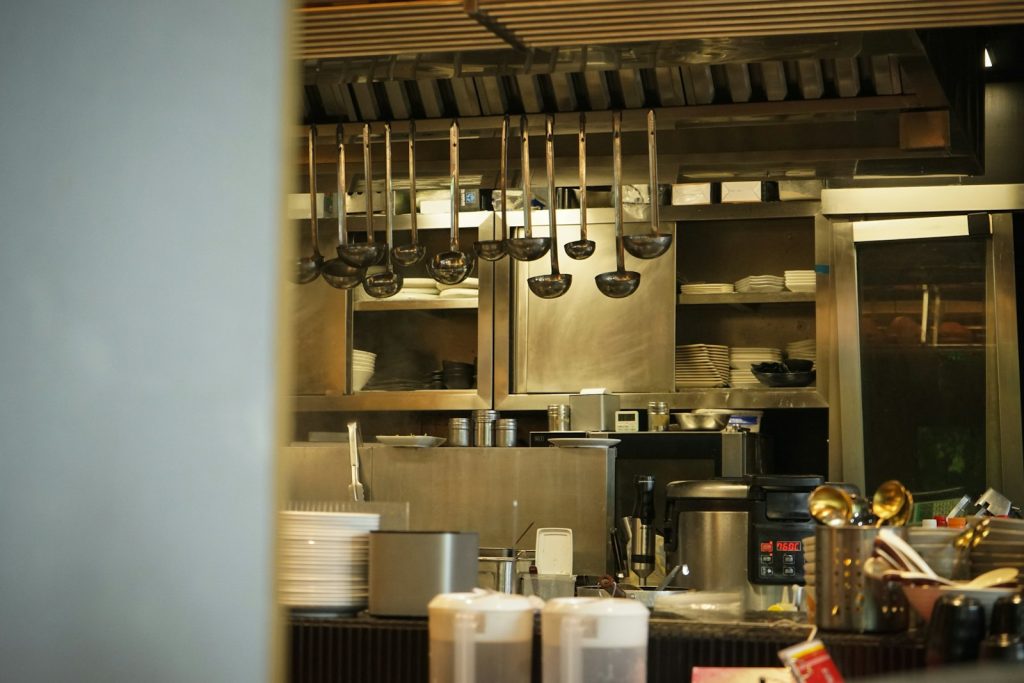
A grease trap separates fats, oils and grease from kitchen wastewater before it reaches the drain. The grease floats, solids sink, and the clearer water in the middle flows on. It works well until the trap fills up. Then grease escapes into the line, sets hard and blocks it, often during the busiest service of the week.
An overfull trap also smells. As the trapped waste breaks down it produces sour, sulphurous odours that drift into the kitchen and dining area. Cleaning the trap on a schedule, before it reaches capacity, keeps the drain flowing and the kitchen pleasant to work in.
How often depends on the size of the trap and how much the kitchen cooks. A busy fryer-heavy kitchen may need monthly cleaning; a small café with a large trap might go a quarter. We help you find the right interval after the first visit, based on how full the trap actually is.
Three common arrangements. We can adjust any of them once we have seen your trap and how quickly it fills.
For high-volume kitchens, fryers and hotel or canteen kitchens.
For restaurants, cafés and bakeries with moderate output.
For neglected traps, new tenants or before an inspection.
A typical visit takes one to two hours depending on trap size and how full it is.
We come before opening or after closing, as agreed, and set up with floor protection around the trap.
We record the depth of grease and solids so we can track how quickly your trap fills between visits.
Fats, oils, grease and settled solids are extracted into sealed containers for removal.
Walls, baffles and the lid are scraped and washed so the trap works at full capacity again.
We flush the outlet line and check that water flows freely through to the main drain.
The area is cleaned and you receive a service record noting the date, condition and next visit.
A grease trap is the last line of defence, not the first. A few routines in the kitchen can stretch the time between cleans and protect your drains.
Every visit is logged with the date, the condition of the trap, the volume removed and any issues we noticed. You receive a copy after each service and can ask for a full history at any time. Facility managers, landlords and inspectors appreciate a tidy paper trail, and it helps you spot changes in how fast the trap is filling.
Tell us about your trap and how busy the kitchen is. We will recommend a visit interval and book the first service at a time that suits you.