
Standing water, slow draining, gurgling and bad smells all mean the same thing: something is in the way. We find it, clear it with the right tool for that pipe, and test the flow before we leave.
Drains rarely block without warning. Catching these early usually means a quicker, cheaper visit and no overflowing water.
Sinks or showers take longer to empty each week as the pipe narrows.
Air pushed through a partial blockage bubbles up through plugholes.
Trapped food, grease or waste breaks down and releases odours.
Flushing a toilet makes water appear in a shower or floor drain.
The same five steps on every job, whether it is a bathroom basin or the main line under a car park.
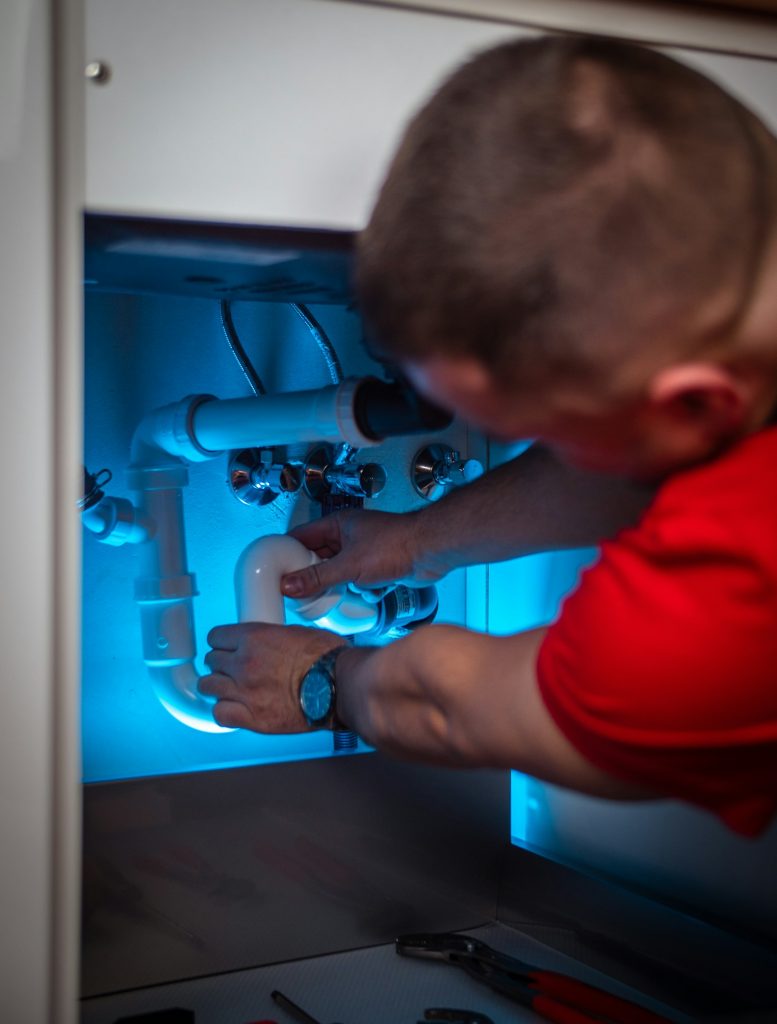
We check which fixtures are affected, open the nearest access point and work out whether the problem is local or further down the line.
A hand auger for a trap, a motorised cable for a stubborn toilet bend, or jetting when the whole pipe is coated. We never use chemicals that could damage pipes.
Once we know what we are dealing with, you get a fixed price. Work only starts when you approve it.
We remove the blockage, pull out what we can so it does not just move further down, and flush the line with clean water.
Every affected outlet is run and checked. We show you what came out, tell you what caused it and suggest how to stop it returning.
Main line blockages, very old pipes or jobs that need a camera check take longer. We give you a realistic estimate when you book, not when we arrive.
Knowing the cause makes the fix last. These are the culprits we pull out of drains most often.
Cooking fat and oil look liquid when hot but cool and solidify inside the pipe, catching food scraps, coffee grounds and rice as they pass. Over a few months this forms a hard, sticky lining that narrows the pipe until it closes completely. Rinsing with hot water only moves the fat a little further down before it sets again.
Hair is the main offender. It wraps around the plug mechanism and binds with soap, toothpaste and conditioner into a dense mat. Shower drains in particular collect a surprising amount in a short time, especially in busy households.
Wet wipes, cotton buds, sanitary products and too much paper at once are behind most toilet blockages. Wipes labelled as flushable do not break down the way paper does and often lodge in the bend or the soil pipe below the floor.
Balcony, roof, yard and car park drains collect silt, sand, leaves and litter. When the water trap dries out in floor drains you also get smells and insects coming up from the line. Regular flushing and occasional jetting keeps them working.
When several fixtures back up together, the blockage is usually in a shared line. Causes include build-up from many households, root intrusion through joints, sagging pipe sections that hold waste, or objects that should never have been flushed. These jobs often need jetting and a camera inspection.
A few simple habits make a big difference. We leave every customer with the advice that fits their drain, but these apply almost everywhere.
Tell us which fixture is affected and how long it has been happening. We will call back to confirm a time and talk you through the visit.