
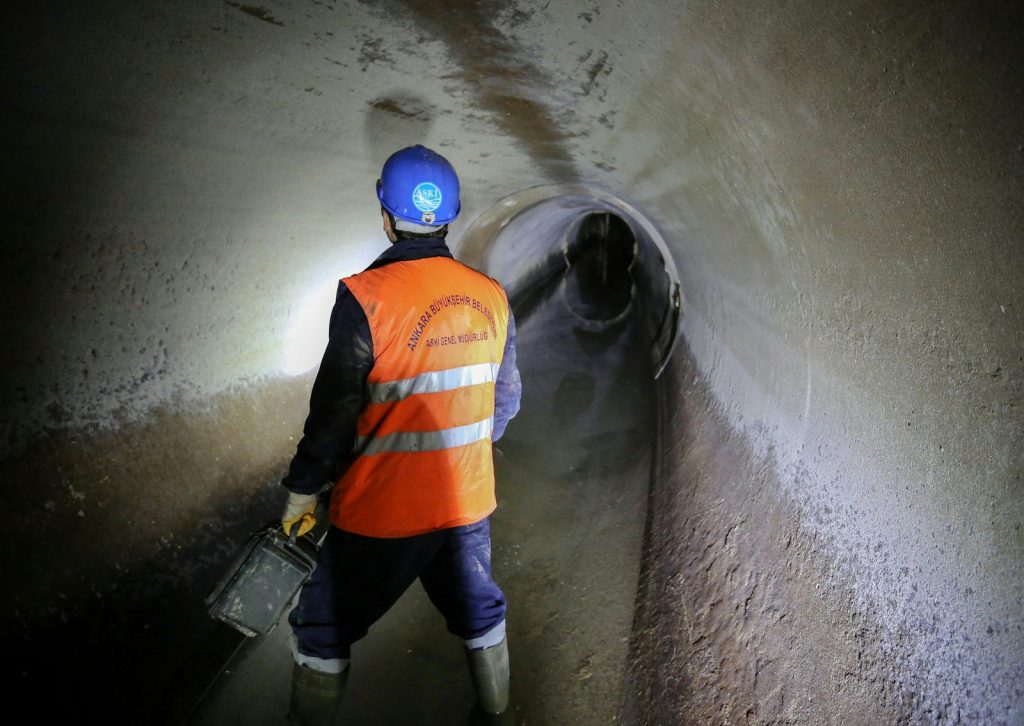
A waterproof camera travels through your drain and records every metre. You see exactly where the problem is, how serious it is and whether the pipe needs cleaning, repairing or simply leaving alone.
Most drain defects are invisible from above ground. A camera survey replaces guesswork with footage, which means repairs are targeted and nobody digs up a floor on a hunch.
Splits in clay, concrete or older plastic pipes that let water escape and soil or roots get in.
Sections that have shifted apart, creating a lip where waste catches and builds up.
Fine roots that enter through joints in search of water and grow into dense masses.
Low points where the pipe has settled, holding standing water and solids.
Layers that narrow the bore and show whether jetting is needed.
Items lodged in the line, or sections that have partly or fully collapsed.
A camera inspection is not needed for every blocked sink. These are the situations where it pays for itself.
Drain problems are expensive to fix and easy to miss during a viewing. A pre-purchase survey shows the condition of the lines serving the property, so you can negotiate, budget for repairs or walk away with full information. We provide footage and a written summary you can share with your lawyer, surveyor or seller.
If you are moving a bathroom, adding a kitchen or building an extension, it is worth knowing the route and condition of the drains first. We can trace where the lines run and spot weaknesses before new floors and tiles go down on top of them.
A drain that blocks again and again has a reason. The camera shows whether it is a sag, a displaced joint, roots or simply heavy build-up, so the fix addresses the cause instead of clearing the symptom one more time.
A follow-up inspection confirms the work was done properly. After jetting, the camera shows the pipe walls are clean; after a repair, it shows the new section is aligned and sealed.
Building managers use periodic surveys to track the condition of drain lines over time, plan repairs into budgets and keep records for insurers. We can compare footage between visits so changes are easy to see.
You do not need to understand drain engineering to read our reports. They are written for property owners and managers, not just for other technicians.
A few things people usually want to know before booking a survey.
Usually yes. A camera cannot see through standing water or a solid blockage, so we clear or jet the line first when needed. If we already have the equipment on site, both can be done in the same visit.
Through existing access points such as inspection chambers, rodding eyes, gully traps or, for smaller lines, removed fixtures. We do not need to break anything to carry out a standard survey.
Our push-rod cameras cover the drain runs found in most houses, apartment blocks and commercial premises. If a line is unusually long, we survey it from more than one access point.
Yes. Most customers watch the live picture on our monitor while the technician explains what they are seeing. You also receive the recording afterwards.
We handle cleaning, jetting and clearing ourselves. For structural repairs, we explain exactly what is needed so you can get comparable quotes, and we can re-inspect after the repair is done.
Book a camera inspection and get footage, photos and a plain-language report of your drain line.