
Jetting sends water at high pressure through a specialised hose and nozzle that scours the full inside of the pipe. It removes grease, scale, silt and roots that a cable would only push aside, so the drain stays clear for much longer.
Both have their place. The difference is what they leave behind in the pipe.
A rotating steel cable is fed into the drain and breaks through the blockage. It is quick and effective for single obstructions near the fixture, such as hair in a shower trap or a wad of paper in a toilet bend.
Rear-facing jets pull the hose along while scouring the pipe walls. Different nozzles break up hard deposits, cut through roots or simply flush silt out of long runs.
Jetting is most useful where a drain carries a lot of waste, runs a long way, or has blocked repeatedly. Typical jobs include:
Grease-coated pipes from restaurants, canteens and busy home kitchens.
Shared vertical and horizontal lines in apartment and office blocks.
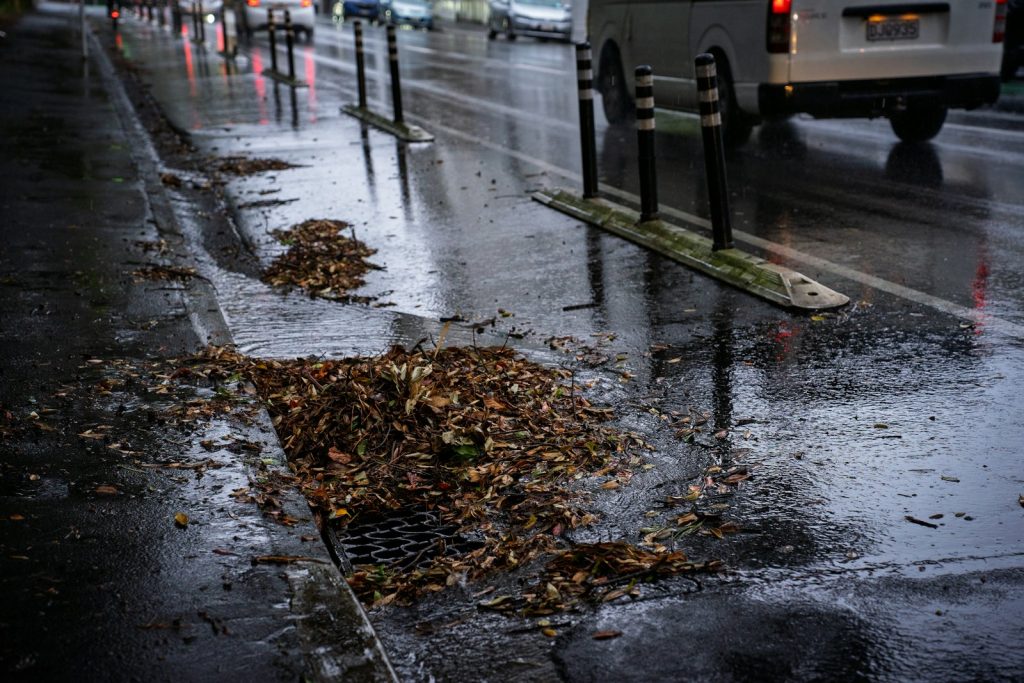
Yard, roof and car park drains clogged with silt, sand and leaves.
Fine roots cut back with a rotating root head, then flushed out.
For pipes in sound condition, yes. Water pressure is adjusted to the pipe material, diameter and age, and the nozzle is chosen for the job rather than set to maximum by default. Modern plastic, clay and concrete drains all handle correctly set jetting without trouble.
Where a pipe is cracked, badly corroded or already partly collapsed, high pressure can make things worse. If we have any doubt, we run a camera through the line first. If the camera shows damage, we tell you before we go any further, and we may recommend a gentler method or a repair instead.
No jetting on a pipe we have reason to think is damaged until you have seen the footage and agreed the approach.
The jetting unit stays in or beside the service vehicle, with the hose run to the nearest access point. We protect the area around the access point, set the pressure for your pipe and work from the downstream end upwards where possible, so loosened debris has somewhere to go.
Most residential lines take one to two hours. Commercial lines and long runs can take longer, especially if the pipe is heavily coated. When we finish, we flush the line, check the flow and, if it was part of the job, run the camera through to confirm the result.
Jetting may be the long-term fix. Tell us about the drain and we will recommend the right approach.